Get Deep Foundation Installation
Deep foundation installation services help property owners stabilize and support structures for projects like new buildings, extensions, or renovations by addressing soil and structural challenges.
Property owners planning construction or renovation projects often need reliable foundation solutions to ensure stability and safety. Deep foundation installation services are essential when building on challenging soil conditions, supporting heavy structures, or extending existing properties. Exploring local contractors who specialize in these services can provide valuable insights into the most practical and effective methods for your specific project needs, helping to make informed decisions as you plan your development.
By comparing options from nearby service providers, property owners can identify experienced contractors capable of delivering quality results tailored to their site requirements. Whether you're considering new construction, additions, or reinforcement work, understanding the range of available deep foundation solutions can support your project's success. Keep reading to learn more about how local experts can assist with your foundation installation needs.
- Residential Foundations - homeowners may need this work when building new homes or repairing existing structures.
- Commercial Building Foundations - businesses requiring stable support for new commercial developments or renovations.
- Retaining Walls - property owners needing to stabilize slopes or create level areas on their land.
- Bridge and Infrastructure Projects - contractors seeking reliable deep foundation solutions for public infrastructure.
- Heavy Equipment Installations - industrial sites requiring solid support for heavy machinery or large-scale structures.
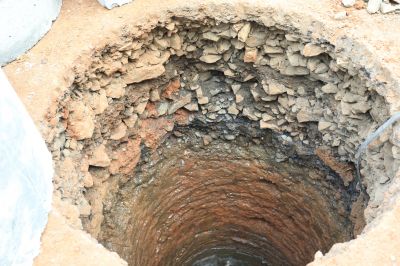
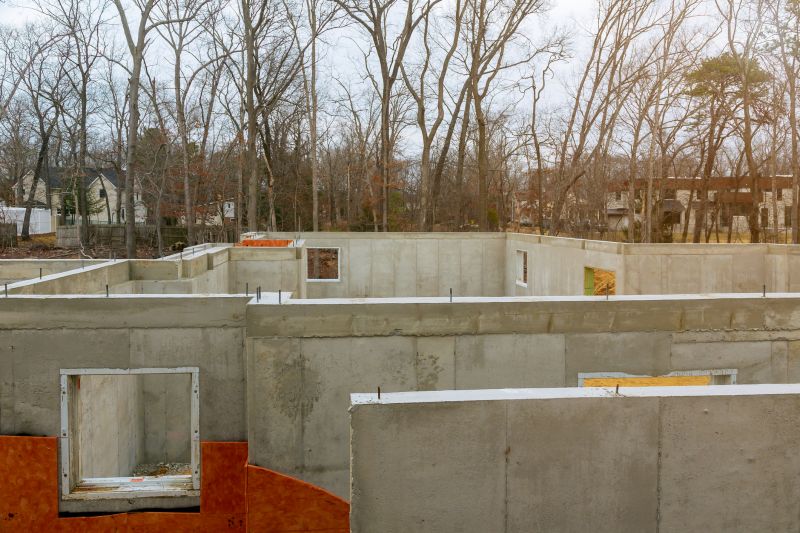
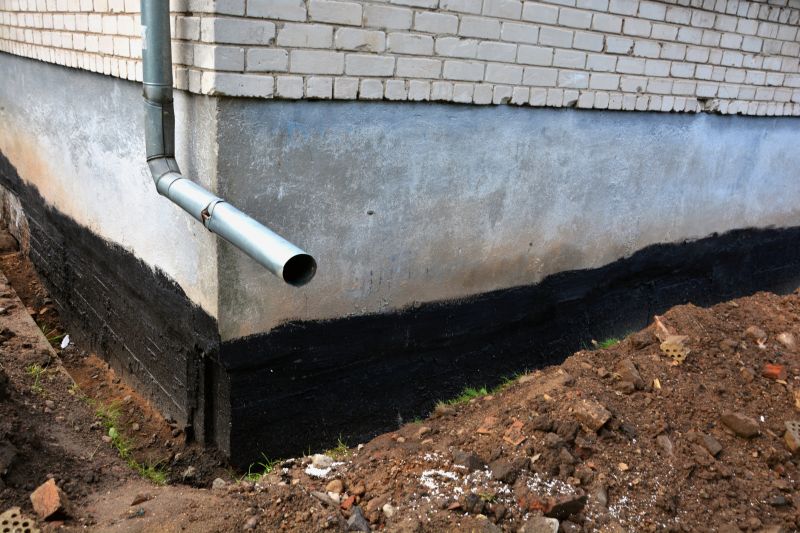
Deep foundation installation services involve the process of securely anchoring a building or structure into the ground to ensure stability and safety. This typically includes methods such as driven piles, drilled shafts, or caissons, where long, strong supports are placed deep beneath the surface. These supports transfer the weight of the property to more stable soil layers or bedrock, providing a solid base that can withstand various loads and environmental conditions. Professional contractors evaluate the specific needs of each project to determine the most suitable foundation type and installation technique.
This service is essential for addressing problems related to unstable or weak soil conditions, which can lead to uneven settling, cracking, or even structural failure over time. Deep foundation installation helps prevent issues caused by expansive clay, loose fill, or saturated ground that cannot support traditional shallow foundations. It is also used when constructing on sites with high water tables or challenging terrain. By installing deep supports, property owners can mitigate risks associated with soil movement, ensuring the longevity and safety of their structures.
Properties that typically require deep foundation installation include residential homes built on challenging soil, commercial buildings, and large-scale developments such as warehouses or industrial facilities. Homes located on slopes or in flood-prone areas often benefit from these supports to maintain stability. Additionally, properties with existing foundation problems or those planning significant renovations may need deep foundations to reinforce and stabilize the structure. Consulting with local contractors can help determine if this type of foundation work is necessary for a specific property.
When considering deep foundation installation, property owners should understand that this service is a crucial step in ensuring long-term structural integrity, especially in areas with problematic soil conditions. It provides a reliable solution for stabilizing buildings and preventing future issues related to ground movement. Local service providers are equipped to assess the site, recommend appropriate foundation options, and perform the installation efficiently. Contacting experienced contractors can help homeowners make informed decisions about the best foundation solutions for their property’s unique needs.
The overview below groups typical Deep Foundation Installation projects into broad ranges so you can see how smaller, mid-sized, and larger jobs often compare in your area.
In many markets, a large share of routine jobs stays in the lower and middle ranges, while only a smaller percentage of projects moves into the highest bands when the work is more complex or site conditions are harder than average.
Small-Scale Installations - Typical costs for minor deep foundation work, such as small piers or underpinning, generally range from $250-$600 per unit. Many routine jobs fall within this range, though prices can vary based on site conditions and material choices.
Standard Foundation Supports - For common projects like installing new piles or caissons for residential buildings, costs often range from $1,000-$3,000 per support. Most projects land in this middle tier, with fewer reaching the higher end of the spectrum.
Large or Complex Projects - Larger, more involved foundation installations, such as extensive underpinning or deep wall supports, can cost $4,000-$10,000 or more. These projects are less common but necessary for significant structural needs.
Full Foundation Replacement - Complete foundation replacement or major retrofit work can range from $15,000-$50,000+, depending on size and complexity. Such projects are less frequent but represent the upper end of typical deep foundation work costs.
Actual totals will depend on details like access to the work area, the scope of the project, and the materials selected, so use these as general starting points rather than exact figures.
Pile Driving Projects - local contractors experienced in pile driving utilize similar equipment and planning techniques as deep foundation installation to securely support structures.
Soil Stabilization Projects - soil stabilization work involves ground preparation and ground improvement methods comparable to those used in deep foundation systems.
Retaining Wall Construction - building retaining walls often requires deep foundation techniques to ensure stability and support for the structure.
Underpinning Services - underpinning involves strengthening existing foundations, sharing skills and tools with deep foundation installation processes.
Understructure Foundations - projects involving substructure support for bridges or large structures rely on similar deep support methods as foundation installation.
Ground Anchoring Projects - installing ground anchors for stability shares planning and equipment requirements with deep foundation techniques.
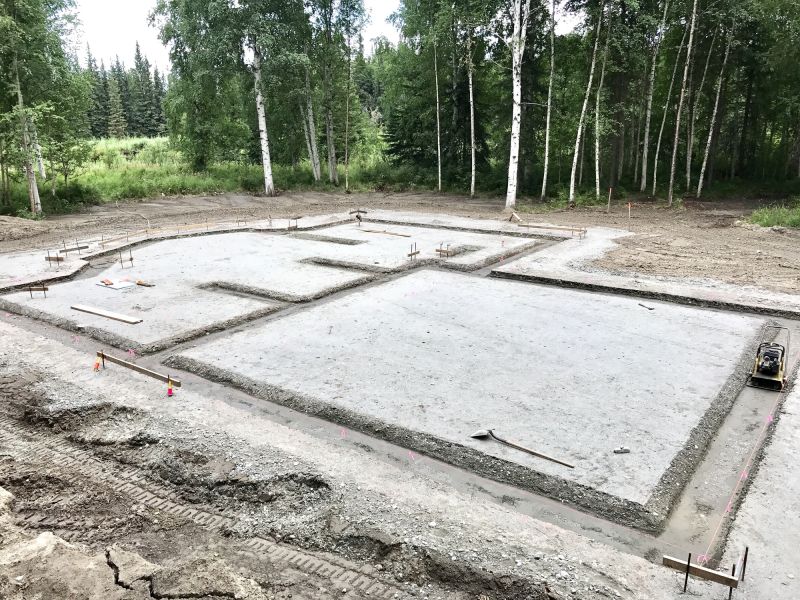
When evaluating potential service providers for deep foundation installation, it’s important to consider their experience with similar projects. Homeowners should look for local contractors who have a proven track record of successfully completing projects comparable in scope and complexity. This background can provide insight into their familiarity with the specific requirements of foundation work, as well as their ability to handle unique site conditions. Asking for examples of past work or references related to similar projects can help gauge their expertise and confidence in managing the job effectively.
Clear written expectations are essential when comparing local contractors for foundation services. A reputable provider should be able to outline the scope of work, materials to be used, and specific responsibilities in a detailed proposal or written estimate. This documentation helps ensure that both parties have a shared understanding of the project’s parameters, reducing the potential for misunderstandings or surprises later on. Homeowners are encouraged to review these documents carefully and ask questions to clarify any uncertainties before moving forward.
Good communication and reputable references are key indicators of a reliable service provider. Local contractors who are transparent about their processes and responsive to inquiries demonstrate professionalism and a commitment to customer service. Additionally, seeking out references or reviews from previous clients can provide valuable insights into the contractor’s reliability, quality of work, and ability to meet expectations. It’s worth noting that this site introduces homeowners to local options for deep foundation installation, connecting them with qualified service providers who can handle the work, rather than performing the work itself.
Property owners use Deep Foundation Installation services for practical projects around their homes and businesses. This guide focuses on everyday jobs and straightforward project options.
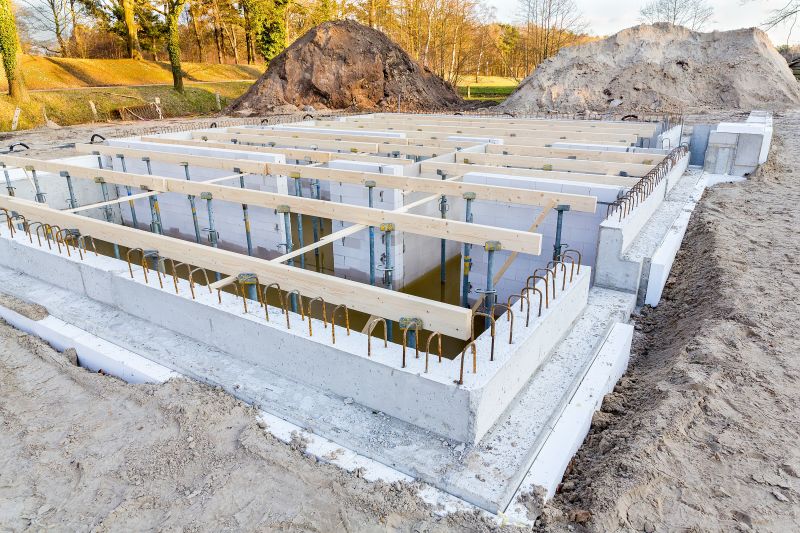
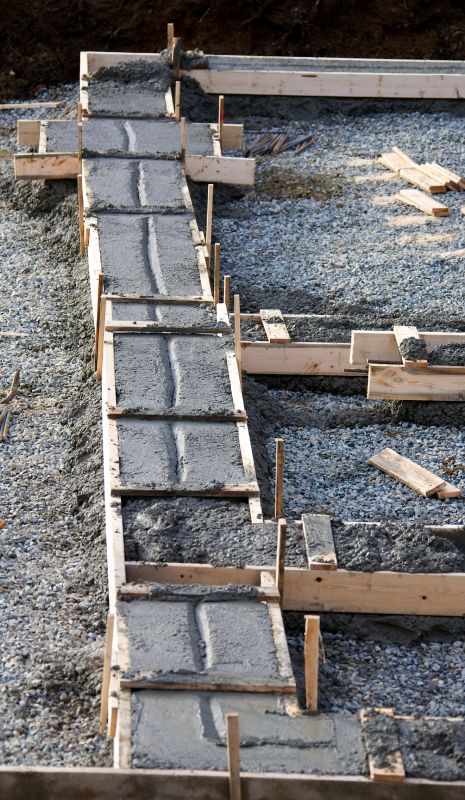
Deep foundation installation services are often needed when property owners are planning new construction, additions, or renovations that require extra stability. In areas with uneven soil conditions or where the ground is less stable, local contractors may be called upon to install deep supports like piles or piers to ensure the structure’s safety and longevity. These projects are common for homeowners and developers who want to build on challenging sites or reinforce existing foundations to prevent settling or shifting over time.
Property owners might also seek deep foundation services when experiencing issues such as cracks in walls, uneven floors, or signs of foundation movement. Such signs can indicate underlying ground problems that require professional attention. Local service providers can assess these situations and recommend appropriate deep foundation solutions to help stabilize the property. Connecting with experienced contractors ensures that the work is handled properly, providing peace of mind for those looking to protect their investment.
What are deep foundation installation services? Deep foundation installation involves placing sturdy supports below ground level to provide stability for buildings and structures, especially on challenging soil types.
Which types of structures typically require deep foundations? Structures such as large commercial buildings, bridges, and multi-story residential complexes often need deep foundation solutions for proper support.
How do local contractors determine the right deep foundation method? They assess soil conditions, load requirements, and site-specific factors to select the most suitable deep foundation technique.
Are deep foundation installations suitable for all soil types? Deep foundations can be adapted to various soil conditions, but the specific method used depends on the soil’s characteristics and stability needs.
What are common types of deep foundations installed by service providers? Common types include drilled shafts, piles (such as driven or augered), and caissons, each chosen based on project requirements and site conditions.
Foundation Stabilization - Property owners can improve the stability of existing foundations to prevent settling or shifting that may cause structural issues.
New Construction Support - When building a new home or extension, deep foundation installation ensures the structure has a solid base to withstand soil conditions.
Basement or Crawl Space Reinforcement - Reinforcing basement walls or crawl spaces helps protect against moisture intrusion and structural weakening.
Soil Bearing Capacity Enhancement - Improving soil conditions beneath a property can provide better support for future landscaping, patios, or additional structures.
If you are thinking about Deep Foundation Installation for a property, this guide is meant to help you understand the work, the typical project types, and how different options might fit your plans.
When you are ready, you can use the quote form on this page to share a few details about your project. From there, local pros can review the basics and respond with options that match what you have in mind.